

Start With What Guests Notice First
Before you buy a single cushion, stand in the doorway of your guest room and ask yourself what a tired traveller registers in the first three seconds. It is rarely the furniture. It is light, warmth, smell and the feel of things under the hand. A room with a modest wardrobe and a dated carpet can still feel luxurious if the lighting is soft, the bed feels generous and the air smells of nothing in particular rather than last week's plug-in.
Walk through the space with fresh eyes and note the three things most likely to let you down: a cold bulb overhead, a thin duvet, a bare bedside table. Those are the cheap fixes. The expensive things — matching suites, bespoke headboards, new flooring — matter far less than most hosts assume, and guests are far more likely to mention your breakfast and your welcome than your furniture.
Get the Lighting Right for Very Little Money
Harsh overhead light is the single biggest killer of cosiness, and it is also the cheapest thing to fix. Aim for three layers of light in every guest room, all of them warm.
- Ambient: a warm bulb (2700K) in the ceiling fitting, ideally on a dimmer. If you cannot fit a dimmer, fit a lower-wattage bulb and accept the softer mood.
- Task: a bedside lamp on each side of the bed, both with their own switch, so neither guest has to get up to turn the other one off. Charity shops sell decent ceramic bases for a few pounds; replace the shade with something plain and new.
- Accent: a small lamp on the chest of drawers, a string of warm-white fairy lights in a glass jar, or a battery candle on the windowsill. Plug the accent lamp into a timer so the room is gently lit when guests arrive on a winter afternoon.
One practical point: check that every lamp has a bulb in it and that the switches work. It sounds obvious, but a dead bulb in a guest room is the sort of small failure that colours an entire stay.
Layer the Bed and the Seating
Guests judge a bed within seconds of sitting on it. If your budget stretches to only one significant purchase, make it a good mattress topper and two decent pillows. Everything else can be dressed around them.
Then layer. Crisp white bedding is forgiving, easy to bleach and always looks fresh, and it costs no more than patterned sets. Over it, add texture rather than pattern:
- A chunky knit or wool throw folded across the foot of the bed, not spread flat.
- Three cushions at most — an odd number looks styled, an even number looks like a display. Mix a linen square, a velvet rectangle and one textured piece.
- A second throw over the armchair or at the end of the bench, so a guest reading in the corner can reach it without asking.
Wash everything before it goes in the room, including throws bought second-hand, and keep a spare blanket in the wardrobe. British weather being what it is, a guest who is cold at 2am will remember it.
Use Walls and Local Artwork to Tell a Story
Bare walls make a room feel like a budget hotel; a gallery wall of mismatched frames makes it feel like somebody's home. You do not need to buy art. You need to frame things that mean something.
- Photographs you have taken of the local beach, market or hills, printed cheaply and mounted in simple frames.
- A framed vintage map of the county, often a few pounds from a charity shop or car boot sale.
- Old postcards of the town, grouped in a grid of six or nine.
- One larger piece on the main wall to anchor the room, then smaller pieces around it.
Keep frames to two or three finishes — natural wood, black and brass — so the mix looks deliberate rather than random. A pot of tester paint in a soft colour on one chimney breast can transform a tired room for the price of a tin, and it photographs beautifully for your listing.
The Small Touches That Cost Pennies
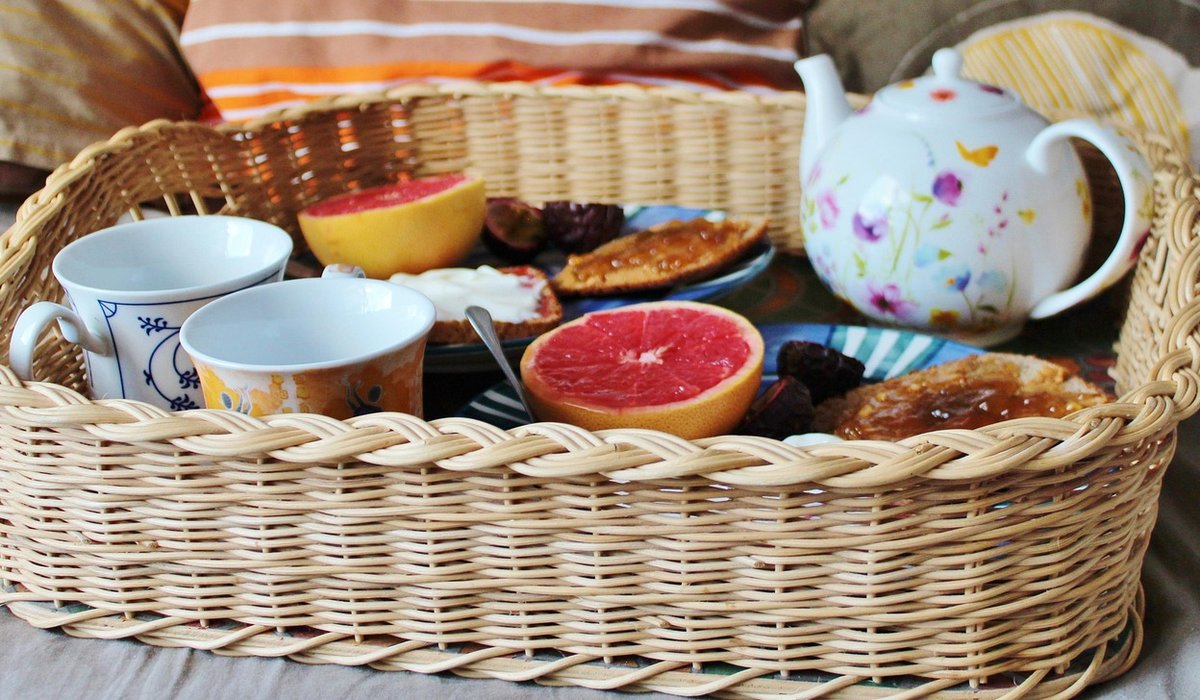
Hospitality lives in the details, and most of them cost under a fiver. A tray on the chest of drawers with a kettle, two mugs, a selection of teas, coffee, a small jug of fresh milk and two biscuits says more than any amount of soft furnishing. Add a carafe of water and two glasses, refreshed each day.
Then think about what a guest has to ask for. If they have to ask, it is a small friction. Provide hooks on the back of the door, a full-length mirror, a luggage rack or a stool for the case, two spare pillows, a hairdryer, and a small basket of local guidebooks and paperbacks left behind by previous guests — a lending library that costs you nothing and starts conversations over breakfast.
Where to Spend and Where to Save
Divide your budget deliberately rather than spreading it thinly. Spend on the things the body touches: mattress topper, pillows, bedding, towels, a decent bedside lamp. Save on the things the eye merely passes over: bedside tables (upcycled furniture is often better made than new), artwork, cushions, ornaments and storage baskets.
Set yourself a target — say £60 to £100 per room for a refresh — and stick to it, spending in that order. Buy one good thing rather than four mediocre ones, and repeat the same palette across every guest room so the whole property feels considered. Cosiness is not about money. It is about warmth, light, texture and the sense that somebody thought about you before you arrived.


Coding is used in almost all aspects of life and work now, be it directly or indirectly. It’s not just for companies in the tech sector. “An increasing number of businesses rely on computer code,
Coding is used in almost all aspects of life and work now, be it directly or indirectly. It’s not just for companies in the tech sector. “An increasing number of businesses rely on computer code,
Coding is used in almost all aspects of life and work now, be it directly or indirectly. It’s not just for companies in the tech sector. “An increasing number of businesses rely on computer code,